
Why joined-up support saves time later
Install to maintenance in one route
We can take refrigeration from specification and fitting through to ongoing care and repairs.
Ventilation where it helps
Fresh-air planning can sit alongside cooling work when the building needs both.
Access made practical
Plant positions and delivery routes are considered before work starts on site.
One route from refrigeration setup to upkeep
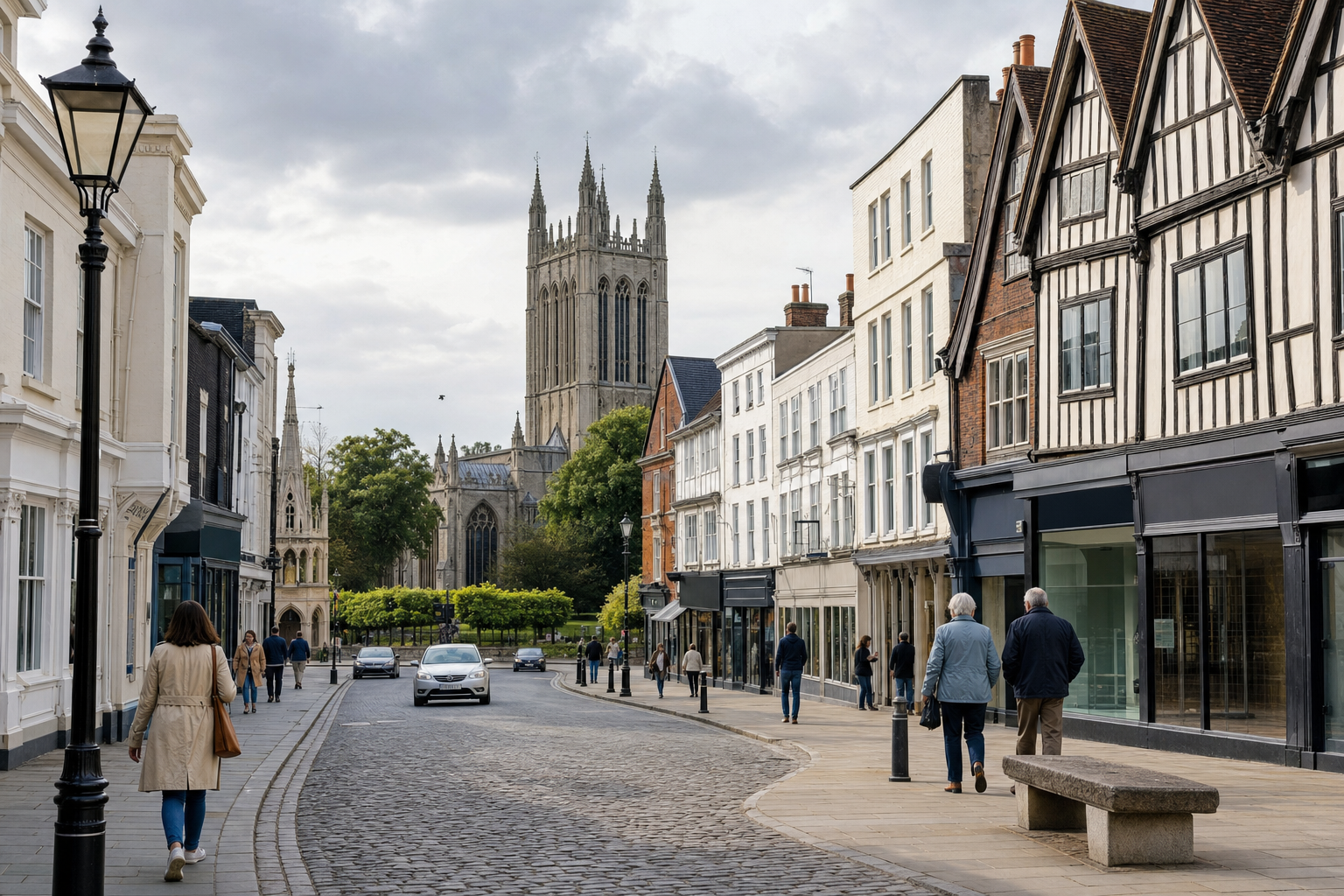
For premises in Bury St Edmunds that rely on stable cooling, it helps to deal with one team that can take refrigeration from first plan to later fault finding. We arrange commercial refrigeration installation, commercial refrigeration servicing and repairs, plus heat recovery ventilation where the building also needs better fresh-air movement and lower heat loss. That joined-up approach is useful when you want equipment specified, fitted, commissioned and then looked after without starting from scratch each time a new issue appears.
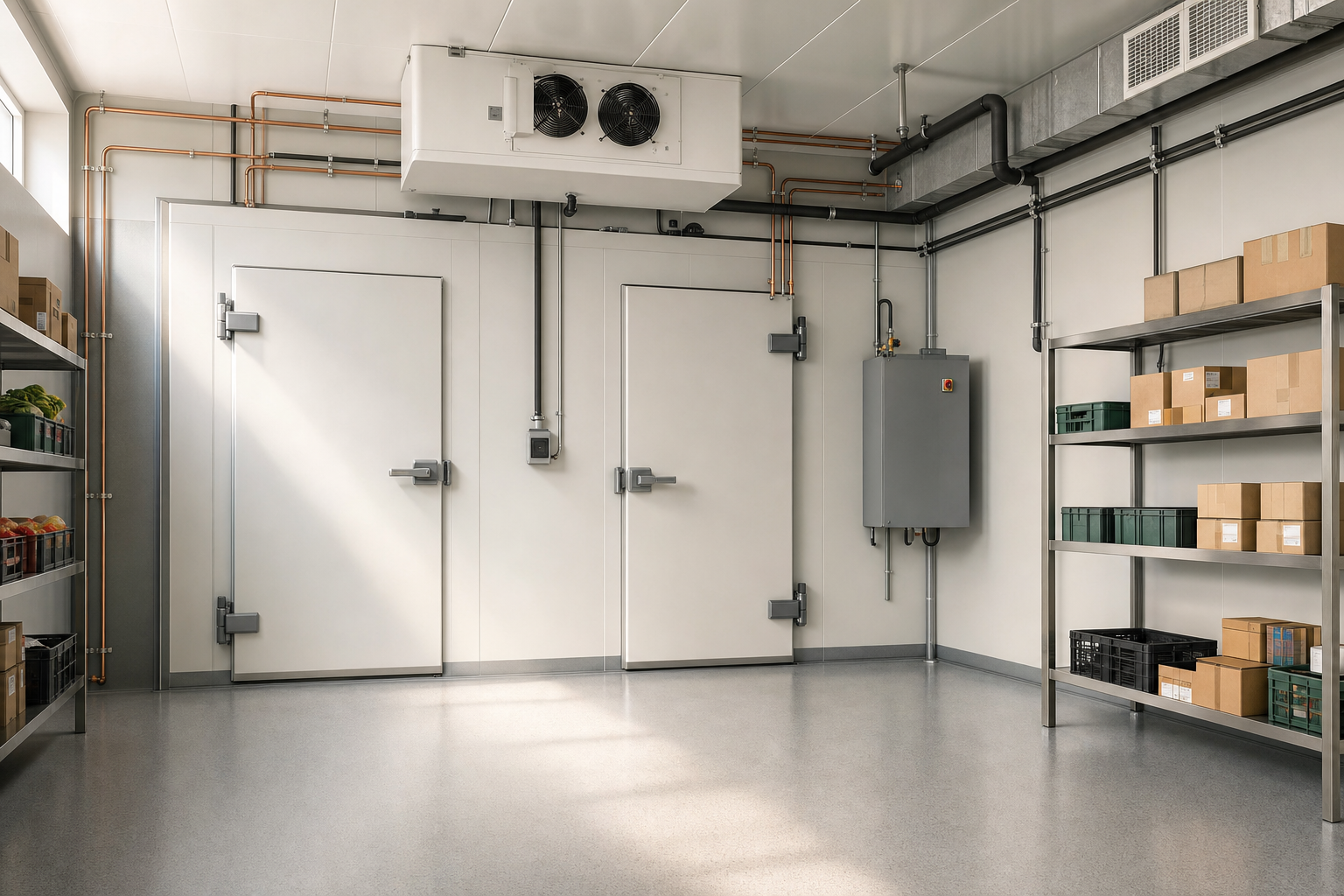
Access, delivery and plant checked early
Before a Bury St Edmunds visit, we plan around equipment location, delivery access, working areas and how easy it will be to reach existing plant. Those details matter just as much as the cold room or cabinet itself, because awkward siting can make both fitting and later maintenance harder than it needs to be. If ventilation is part of the job, we also assess how fresh air, extraction and heat recovery can support the way the premises operates day to day.
Frequently asked questions
Can you handle refrigeration installation and later repairs?
Yes. In Bury St Edmunds we can support refrigeration from the first specification and fitting through commissioning, planned care and later fault diagnosis. That gives you a clearer thread through the life of the equipment instead of starting over with each stage.
When is heat recovery ventilation useful for a premises?
It can help where the building feels stale, traps moisture or needs a steadier supply of fresh air without wasting as much heat. When ventilation and refrigeration both matter to the day-to-day use of a premises, planning them together can lead to a more balanced result.
What site details should we provide before a visit?
Tell us about equipment location, delivery access, working areas, any existing plant and what result you need from the visit. Those practical points help us plan fitting, maintenance or fault work more sensibly and avoid surprises once we are on site.